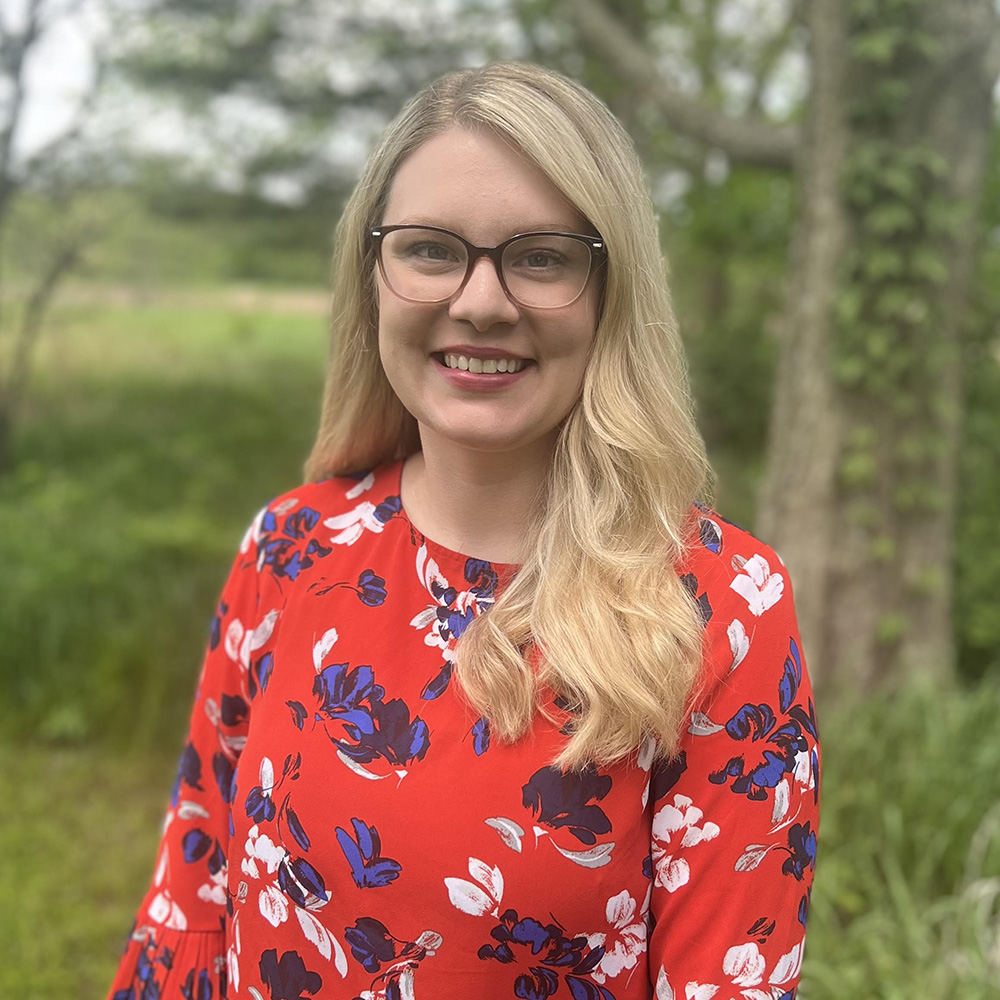
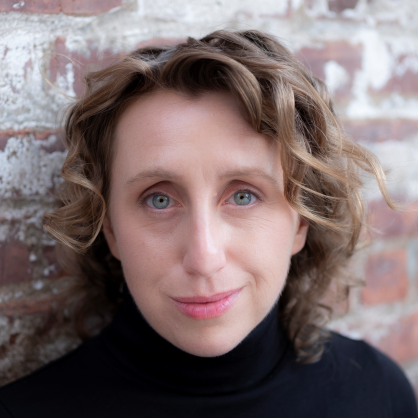
[Mary] Hi there, welcome to Safety Labs. There's a growing discussion of cognitive and neurological differences in our population. We've heard terms like neurotypical and neurodiverse — in fact, it's unlikely that you don't know anyone with some form of neurodiversity. While the education system has recognized this for quite a few years, there's relatively little discussion about neurodiversity in the workplace. Today's guest is here to talk about just that, and how neurodiversity fits into any modern discussion of occupational health and safety.
Sarah Ischer, CIH, CSP, is the Senior Director of Expertise at the WhatWorks Institute. She's worked across industries, advancing worker well-being through innovative, evidence-based safety strategies. Sarah led the MSD Solutions Lab at the National Safety Council, and worked as an industrial hygienist, overseeing programs in ventilation, TSCA compliance, and more. She's shaped national initiatives on musculoskeletal disorder prevention, emerging technologies, and risk reduction. Sarah holds a Lean Six Sigma green belt and a master's in occupational and environmental health. She's active in the American Industrial Hygiene Association, and an appointed representative to the National Advisory Committee on Occupational Safety and Health. Sarah joins us from Illinois. Welcome.
[Sarah] Hi, how are you?
[Mary] Good, good — I'm excited by this topic, so let's dive in. Actually, before we dive in — last time we spoke, I found out you'd had an interesting path into the safety profession. I was wondering if you could tell that story a little.
[Sarah] Yeah, I kind of fell into it. My first job out of college, I was working as a production chemist, swing shift on weekends, and I was actually hurt on the job — a chemical release occurred, and I was caught in the middle of it. That had a lasting impact on me and my family, really, and it definitely changed my trajectory. I'd planned to stay in that field, or do something with biology or chemistry, but after that happened, it really changed my outlook on what I wanted to do and how I wanted to help people. In that moment, I realized I didn't want anyone else to feel the way I did — helpless, not taken care of at work, like the system had failed me. Through that process, I was getting questions like, "what did you do wrong, why did you let this happen," instead of flipping it and asking, "how did the system fail Sarah, what could we have done, as an organization, to support her?" That's kind of how I began my career as a health and safety professional. I applied to graduate school at Iowa, went there for my master's in industrial hygiene, and from there decided to go into industry, work as a consultant for a bit, then moved into chemical manufacturing, then on to NSC, and now WhatWorks.
I think sometimes we can get stuck in the hectic rat race of work, but I take a moment to pause and think, why am I here, why am I doing this — and that's really where I center myself, remembering who I was and what I was going through in that moment, and just trying to do all I can so others don't feel that way.
[Mary] I think that's a great reminder of essentially why we're all here, and why all our listeners are listening too. Neurodivergence is relatively new to the cultural conversation — I think I first heard the word around 2009, maybe. I'm sure we all have our own understanding of what it means, but can you tell me how you define it in the context of workplace safety?
[Sarah] Definitely. It's become more common in how we're speaking about things, especially in education, as you said, but it really became a term in the nineties. What we're really talking about is that neurodiversity refers to natural variation in how people think, process information, regulate emotion, and respond to stress. In reality, workforces include people who are autistic, who have ADHD, dyslexia, anxiety, trauma exposure, and cognitive overload. In safety, that shows up in how procedures are understood, how alarms and signals are perceived, willingness to speak up, how people respond in emergencies. Sometimes people think about it purely as accommodation, but when safety systems fail neurodiverse workers, or neurotypical workers, they're failing everyone. It's something we really need to focus on. Some of the work we found shows around one in five people are neurodiverse — and whether or not someone is speaking about it, or even formally diagnosed, we're not clinicians, we're health and safety leaders, but we need to be designing this into our systems, because about twenty percent of our working population may be affected.
[Mary] That was actually going to be my next question — how widely spread it is. I'd add too that there are a lot of people who are undiagnosed, who may have been coping for years without understanding there's some science behind how they're sensing or understanding the world differently. Clearly there's a huge need for understanding something that affects twenty percent of the workforce. What's the thing you think most people get wrong about neurodivergence — any common misconceptions you encounter?
[Sarah] For a lot of things, PPE is a good example — sometimes people think safety is one-size-fits-all, or that "safety is common sense." I don't like those terms. Think about the natural variation in our bodies — there's a lot of natural variation in our brains too. It's time we caught up to how we've handled equipment issues and applied the same thinking here. I think people often assume everyone can come to work and read the same thirty-page manual and understand it the same way. Compliance, or adoption of something, doesn't necessarily mean understanding. Health and safety leaders, practitioners, and organizations need to understand that we have to accommodate our systems to positively affect our workforce. The first thing you can do is leave those terms — "common sense," "one size fits all" — in the background, and move forward with understanding that we need to allow for natural variation. People don't all learn at the same pace, or the same way. That's a great starting point.
[Mary] You don't have to become an expert in any particular neurodivergence pattern — you don't need to read up on what's specific to autism, for example. It's more that there's as much diversity in the way we perceive, think, and react as there is in, say, the shapes of our ears.
[Sarah] Exactly — or the shapes of our bodies, for PPE, things like that. I think too, with our report — the WhatWorks Institute has a report out on integrating neurodiversity into health and safety practices and organizations — the goal isn't to turn us into clinicians or diagnosticians, it's really to ask better design questions, so we can lead ourselves to safer, more inclusive workplaces.
[Mary] You mentioned trauma-informed design and anxiety and mental health — what's the link between neurodivergence and mental health issues?
[Sarah] That's not something we look at directly within the report, but I do think the way people show up to work, and things that have happened to them, whether they're diagnosed with something or have increased stress in their life, can put them more at risk of not remembering something, or having too much going on — too many open tabs, as I think of it. I'm a busy mom myself, so if I've had a lot going on before getting to work, I might not be checking carefully for different hazards or risks. With building more neuroinclusive designs, it doesn't just help people who are neurodiverse, it helps everyone. If we can break harder things down into bite-sized pieces, smaller manuals, or spend more time with people, that helps everyone, whether they're stressed, fatigued, ADHD, anything. That's really where I see the overlap — it's something that helps everyone in your organization.
[Mary] When you look at the landscape of occupational health and safety right now, and its relationship to design that takes neurodivergence into account — I don't want to ask you for a literal score, but on a spectrum from "never heard of it, don't care" to "totally gets it and has integrated it into all systems" — where do you see it right now?
[Sarah] Funny question — I was presenting on this with a colleague at a conference last year, and we asked the audience, who's heard of neurodiversity, are you thinking about it at work? About half the room raised their hands, but mainly from a personal perspective — people coming to us who are parents, or have a sibling, or know someone personally who's neurodiverse, and approach it from that angle, "I'm interested in this." From an organizational perspective, I haven't really seen or heard many organizations specifically calling this out yet. They may be doing things through different types of training, or in how they conduct incident investigations, but I don't think people are actually framing it as taking neurodiversity into consideration.
[Mary] If I may, let's discuss a couple of industries and the specific challenges they might pose for neurodiverse workers. Construction, for example — beyond the general challenges every workplace probably has, what do you see specific to that industry?
[Sarah] Something like construction, where your daily tasks change every day, makes it really hard to build in that stepwise "yes, I know exactly what I'm doing as soon as I show up." There's also a lot of knowledge transfer from one person to another, just through someone who's been doing it twenty years teaching the new person — there may not be a quick, clear yes-or-no safety guide the way you'd have at a piece of equipment in manufacturing. It's also very loud, lots of different noises happening, possible communication barriers because of the noise, different alarms, and wearing PPE on top of it all. There's a lot happening externally that may affect a person differently. Those are some of the main things I see in an industry that's always changing, without a rule book for every single thing you might be doing on a given day.
[Mary] What about the opposite — office environments, where things are often, not always, but more predictable and structured? What challenges might exist there?
[Sarah] Everyone learns differently — some people like being able to talk to people whenever they want, others don't. Especially with remote work, depending on how someone learns, cooperates, or communicates, there can be challenges. If you're communicating via Teams or email, the way information is perceived can differ from person to person. Those are some quick examples — I'm sure every job has a lot of different characteristics to consider.
[Mary] One thing that occurs to me, just something I've heard — eye contact, there are cultural expectations around making eye contact during a conversation, and I've heard high-functioning autistic people say, "I can listen to you, or I can look at you." That's more a case of education — you don't have to change your safety design for that.
[Sarah] Exactly. With eye contact and how someone responds, we're really dealing with a lot of societal norms. Just because someone isn't looking directly at you doesn't mean they're not telling the truth, or not communicating how they feel. I think that comes up during incident investigations, because sometimes people mask, and give a response they think the other person wants to hear or see. Sometimes, like you said, eye contact is harder, or easier to avoid. Some people don't like to, or aren't able to, respond verbally in the moment to unprepared questions. So accommodating how you conduct things, especially incident investigations — maybe someone was hurt, or something happened to equipment, and you need to understand the root cause — needs to happen in a way that accommodates everyone and lets them show up authentically. Maybe instead of a one-on-one interview, someone can write their account and provide it, or record themselves and provide it that way. Just understanding that someone not fitting the norm of what we think is "correct" doesn't mean they're not providing accurate information.
[Mary] I don't want this to sound purely negative — in addition to the challenges, neurodiversity often comes with advantages too, in terms of certain cognitive tasks. Can you talk about that a little?
[Sarah] Definitely — being able to sense and highlight patterns, recognize when things are different or not working as they should, especially in manufacturing. Maybe someone notices all the characteristics of a piece of equipment or product, and because they recognize all the variations, they notice something's different. There's also heightened risk awareness in some cases — being able to see and hear things differently can mean greater attention to detail in certain roles, especially quality-related ones. There's a lot around hazard detection, problem-solving, reporting — a lot of positives to having a genuinely diverse workforce, and a lot of opportunity for improvement too.
[Mary] Even simple things, like you mentioned, in an investigation, letting someone provide input in writing versus speaking — that's not too difficult an accommodation.
[Sarah] No — and I say "accommodation," but really it's just providing different modes or methods for people. Easy things like noise-canceling headphones, especially in an office setting with a lot of people in cubicles talking, music playing — I've worked in places like that. Having noise-canceling headphones, quiet break zones — I've heard people say, "well, on the plant floor, we can't give people breaks whenever they want," but regardless, you are giving people breaks at some point — why not have a space that's quieter, or darker, with lighting control? Those extra things are pretty small fixes that can have a great impact on people.
[Mary] I'd like to talk more about what can be done, and we'll get to that in just a minute. But first, I have a message from Safety Products Global, the company behind the Safety Labs podcast.
While safety is your primary concern, your organization's staff needs tools that work — too often those goals are at odds. For example, in a manufacturing or R&D lab setting where workers need to manipulate chemicals, powders, and so on, they often use scalpels. As tools, they're precise and can be cleaned for reuse. But as safety hazards, they're concerning — after all, they're designed to cut skin. It only takes one slip for an accident to happen. In many situations, the answer would be cut-resistant gloves, but those hamper the user's dexterity, and, pardon the pun, for precision work, that won't cut it.
The Slice Scalpel offers precision and safety. With finger-friendly blades, it's safe to the touch. With a no-tool blade change, workers can quickly switch from straight blades, hooked blades, or chisels. All blades are oil-free, chemically inert, and can be autoclaved. Here's what safety professional Daniel Blyer had to say about the blades: "Safety initiatives have required us to find safer options for cutting tools. In an R&D lab, sometimes that's not an option. Safer tools do not always cut through many materials, but the Slice blades are great, and have come through with every material we need to cut." And folks, that's just the blades — the handles are thin and lightly weighted for balance and stability, and offer a textured, anti-slip grip for better control. Slice makes people and places safer. To request free samples, go to safetylabspodcast.com/samples.
Okay, so let's get back to what can be done to address neurodiversity in the workplace. You touched on this, but one of the things that surprised me most as I've learned about this is that most things you might call "accommodations" are incredibly easy, and actually help neurotypical people too. Could you talk more about that?
[Sarah] Thinking about what "good" looks like in practice, some actual concrete examples are multiple formats for providing safety information — visual, audio, hands-on. I don't know anyone that wouldn't help. No one wants to sit through hours of training without a break, or read a dense fifty-page lockout-tagout manual. Visuals, posters, hands-on manipulation, all help people learn, help transfer information. Also providing clear expectations without being ambiguous — for example, on a safety walk, instead of saying "keep your eyes and ears peeled for what could be out there," actually say, "watch out for slips, trips, and falls, we're focusing on cords and walking-working surfaces, if there's a cord in your path or something you could trip over, please let me know." Being very clear about expectations helps everyone.
We touched on this a bit, but quiet reporting channels matter too — not just for incident investigations, being able to provide information in different ways. Some people don't want to, or aren't comfortable, speaking up, raising their hand and saying "I noticed this." So written forms, supervisor office hours, an anonymous tool people can use to say "I don't think this is safe" or "I noticed this" — those help. I mentioned it briefly, but job design and ergonomics that reduce cognitive overload — noise-reducing headphones, dimmed lighting for some people, the option to sit, stand, or move around, so people aren't stuck somewhere for eight-plus hours doing the same thing over and over.
And recognizing fear responses — not wanting to speak up, talking quickly when nervous, not making eye contact — understanding that, and taking time to train leaders to recognize this isn't because someone's doing something wrong or being untruthful, it's just natural variation in how people respond. That's really what we have to think about, especially with first-line supervisors — training them on what neurodiversity looks like, and how these aren't really "accommodations," they're helping everyone. If we can help the majority of the workforce, why not do it, especially when a lot of these examples are relatively cheap?
[Mary] I was going to point out, everything you've mentioned — dimmer lights, noise-canceling headphones — those aren't expensive.
[Sarah] No, and I understand, like I said, that won't always work — especially in quality and manufacturing, we're not going to turn the lights down because you need them for inspections. But if you can give people opportunities to take breaks, or adjust things in certain pods or quiet zones, every little bit helps. I think the framing matters too — when approaching leadership, or whoever approves these changes, instead of calling it "accommodation," call it "better work design," because I think that's a bit more accurate.
[Mary] Right, exactly — creating a system that's working for people instead of failing them. In the report you sent me, I'd like you to talk a little about the report itself first, to set it up, but after that, there was a case study about a construction worker named Brett, and I wanted to hear that story too. Let's start with the report — how was it done, and why?
[Sarah] As we talked about at the start, neurodiversity is something we're hearing about more often, but typically from an educational perspective, or at a higher organizational level — we hadn't really seen people talk about it in the context of safety. That's why we wanted to highlight it. In the report, we talk about what neurodiversity is, the different types, which I touched on earlier, then really the first steps an organization or business can take to understand things they can do to help the workforce, how neurodiversity can show up if you're not accommodating or making changes, and then, as I mentioned, examples of what you can do to get started.
[Mary] And like you said, there was a case study highlighting a construction worker. What was that story?
[Sarah] That was a contact we were provided — someone who is neurodiverse, and now knows he's neurodiverse. He was hurt on the job, and when it happened, he thought of it almost as business as usual — "it happened because I got hurt at work." Taking a step back, he didn't really think about the fact that he's neurodiverse, that he shows up to work differently than other people, that the whole EHS system isn't designed for different types of people. Working in construction — stress, long hours, cognitive overload, all these factors — wasn't taken into consideration during his investigation, his training, or any of those processes.
He had a similar trajectory to my own story — because he was hurt at work, he decided to move into more of a supervisory role, and tried to create some of these benefits within his crew. I think it really highlights things that happen every day that we're just not thinking about. In an incident investigation, are we even asking, "could this have happened because of X, Y, or Z?" Probably not. We talk about training — maybe someone wasn't trained, but did we ask, "was the training provided in a way you could actually understand and feel comfortable with?" I don't think we've been asking that question.
[Mary] And it's not the same as asking, "do you have any diagnoses" — first of all, people may not want to share that, and certainly shouldn't have to. I've also noticed, as a parent, lots of parents discover they're neurodiverse themselves when their kids get a diagnosis, and think, "that sounds exactly like me," and find out later in life. What do you think is stopping many organizations from addressing neurodivergence — is it a lack of will, resources, or just a lack of understanding?
[Sarah] With many things, people might think it's harder than it actually is. As health and safety people, they might see it as something medical personnel or HR should be handling, or might just not know who to go to. Like you said, you don't have to say, "I'm ADHD" — you could say, "I'm having trouble understanding this training, is there a way it could be condensed or provided in a different mode?" A lot of people are probably just overwhelmed, or unsure where to start or who should own it. Whether it's neurodiversity or anything else someone might bring to work, we have to ask, as the health and safety function in an organization, are we serving the workforce, are we creating a place where people can show up as their true selves, work and learn to their highest potential? If not, there are easy fixes you can start with. Some things may be bigger projects, but if you look first at training, incident investigations, the tools you're providing people, that's not going to take much out of your pocketbook as a company.
[Mary] And this particular one isn't really an example of something expensive, though it depends on the size of the organization. You don't even have to mention neurodiversity to offer training in both written and video form. I don't know if it's generational, but I hate having to watch a video, I'd much rather skim and read — and I know some people are the exact opposite.
[Sarah] Exactly. I think a lot of people, as a workforce, or as a manager or business owner, don't think about that potential twenty percent of their workforce being affected. That should be a wake-up call in itself — if you had twenty percent of your equipment operating differently than expected, you wouldn't blame the equipment, you'd recalibrate the system. We need to think about safety the same way — if one in five people process information differently, safety systems need to be calibrated to that group too.
[Mary] For safety professionals listening who want to start understanding more about neurodivergence and helpful workplace accommodations, what would you recommend as a first tangible step?
[Sarah] First, definitely download our paper — it's available on our website at whatworksinstitute.com. After reading it, take a step back and think, how am I providing training, what do my different work zones look like, what do breaks look like? If you're not neurodiverse yourself, think about what you could be doing in your job to make things easier. If you can talk to a diverse group of people, say your EHS engagement team, more than likely at least one person there is affected, is neurodiverse, or knows someone who is. So ask questions — staying curious and asking questions is the first thing. But if you get stuck or don't have an understanding of where to start, the report is a great first step.
[Mary] We'll link to that in the show notes. You also mentioned organizations are sometimes uncertain about who should own this — HR or safety. It might make sense to reach out and see whether HR has already been looking at this, whether there are existing resources.
[Sarah] Definitely. If you're a small organization with a health and safety team, going to HR first is always a great option, since hopefully you have at least an HR group or person to talk to and learn from. If you're a larger organization, you might have an occupational health nurse on-site — you don't want to get too deep into people's personal information, but you could at least talk to that health professional and ask whether this is something you should be looking at. Just like we want to be inclusive of frontline workers, we want to be inclusive across departments — create a place where people can come talk about these things, and figure out from there who wants to own it. Maybe someone's really passionate about this topic — a good champion can really carry something forward. Even a comms campaign, or working it into your next health and safety communications, just asking questions — you don't have to ask "are you neurodiverse, are you autistic," you can ask about training, how we're showing up, whether there's anything in this realm that could be improved. That's a great starting point.
[Mary] You could also depersonalize it by starting with the statistic — if you're talking to HR, "statistically speaking, twenty percent of the people here are neurodiverse," and go from there. You don't have to get more personal than that.
If you had a magic wand, five or ten years out, and could see the state of the health and safety industry — what would you like to see? You can be as realistic or as magical as you like.
[Sarah] I mean, I could say world peace — but beyond that, in tangible terms, I'd like to see us move beyond just neurodiversity specifically, not that I don't want to keep talking about it, but toward creating an inclusive work environment regardless of any particular diagnosis. This really comes back to psychological safety, providing a place where people can be themselves and feel safe. That's what I'd like to see, and I think that's where the conversation is heading — we're talking more and more about whether people feel safe to speak up, psychological safety, psychosocial risks, mental health, burnout, fatigue, and how all of that can increase health and safety risk. We're at least creating an environment where we're talking more about that holistic, whole person.
But for me, it goes beyond physical safety — it's not one-size-fits-all, like we said at the start. All of our bodies are different, all of our minds are different. I'd love for this not to be seen as a one-off, or "HR's issue" — I'd love for health and safety leaders to just be advocates for the people at work, thinking about how we're showing up for them, and ensuring, as much as possible, that no matter who walks through the door, we're providing an environment where people feel safe, confident, and trust the organization they work for.
[Mary] I'll give you a slightly different magic wand, focused on the present — if you could determine the curriculum, or how safety professionals or aspiring safety professionals are trained, where would you focus it? And I don't mean training specifically about neurodiversity, just training across the board.
[Sarah] I was actually on a podcast a couple weeks ago and this came up — we were talking about technical skills versus soft skills, and someone at a conference once said they're not really "soft skills," they're "people skills," being able to understand the world around you. Technical rigor in curriculums, especially for industrial hygienists and safety engineers, is important, I'm not saying otherwise — you need to technically understand what you're doing. But I feel we need to do a better job preparing people for the situations they'll actually encounter, and teaching them to communicate about those situations. Because if you're technically sound, with a great idea, but can't communicate it to the person actually doing the work, it's never going anywhere. So teaching communication skills, building trust and empathy — if you're not trusted as a health and safety person, you might as well go home, because you're not the one doing those jobs, you'll never learn everything it takes to do frontline work yourself. I think more on-the-job training in soft skills is needed, and if you can't get that from your university or continuing education, find a great mentor — someone who's been in the job, or the job you want to be in, and learn how they got there, work on communication skills, building trust with others.
From the other side, if you're a mentor, or someone's seeking your mentorship — of course, technical skills matter — but also take a minute to think about where your social skills have helped you throughout your career, and what kind of social skills are most important for someone coming into this field, especially if they're introverted, or have difficulty with verbal communication — find ways to help them express what they want to say in a trustworthy way.
[Mary] If you could go back in time to the beginning of your safety career — let's say after your injury, the point where you decided this was the direction you wanted to go — what's one piece of advice you'd give yourself?
[Sarah] Give myself a little more grace than I did. When I first started as an industrial hygienist, I really felt like all the pressure was on me to make sure every single person went home safely — which was my job, but it was everyone's job too. I'd tell myself not to put so much pressure on myself. A lot of health and safety people have probably felt that, at one point or another in their career — that it all comes down to them. I think what I'd have done differently is think about how it takes a team, a village — building up the team, understanding that it doesn't all come back on you, that it's everyone's responsibility to take care of each other.
[Mary] How can our listeners learn more about the topics in our discussion today? You've mentioned the report, which we'll link to — are there other resources that have helped you understand this, books, organizations, anything like that?
[Sarah] I'd say going to conferences on these topics — there's a lot of great free literature and webinars out there. Regardless of what type of health and safety person you are, if you go to a conference, there's usually at least one session on this kind of topic to guide you. For me, it's also the network around me — being able to connect with someone across the world dealing with the same kinds of issues or topics. That's something the WhatWorks Institute, which I work for, really thinks of itself as — an EHS think tank. We're a membership organization, but really trying to bring people together to talk about similar topics, whether that's neurodiversity, metrics, or being human-centered and people-centered. That's where I learn the most — you can learn a lot from books, reports, and papers, but actually talking to people about what's worked and what hasn't, that's been the most helpful for me.
[Mary] A book can't give you an immediate answer the way a conversation can.
[Sarah] Exactly.
[Mary] So the WhatWorks Institute is one of your answers — is there anywhere else our listeners can find you on the web?
[Sarah] You can reach out on LinkedIn, find me there, we can connect and talk about this topic or other health and safety topics. Also follow our WhatWorks LinkedIn page, beyond the website, highlighting what our members are doing and different opportunities to meet with each other. I'd be happy to connect with anyone on this or other health and safety topics.
[Mary] And this is international, right?
[Sarah] Correct, yep.
[Mary] Well, that is our show for today. Thanks so much for joining me, Sarah.
[Sarah] Thank you so much, Mary.
[Mary] Thank you to our listeners — please come join the conversation on LinkedIn by searching for Safety Labs by SPG, and let us know what you think about any of the topics we covered today. I'd like to thank the Safety Labs team for facilitating these great discussions. Bye for now. This podcast is created by Safety Products Global, the world's leading manufacturer of safety knives. Through our trusted brands, Klever, Slice, and PHC, we empower companies to prevent injuries by providing safer cutting tools for every material and application. Until next time, stay safe.