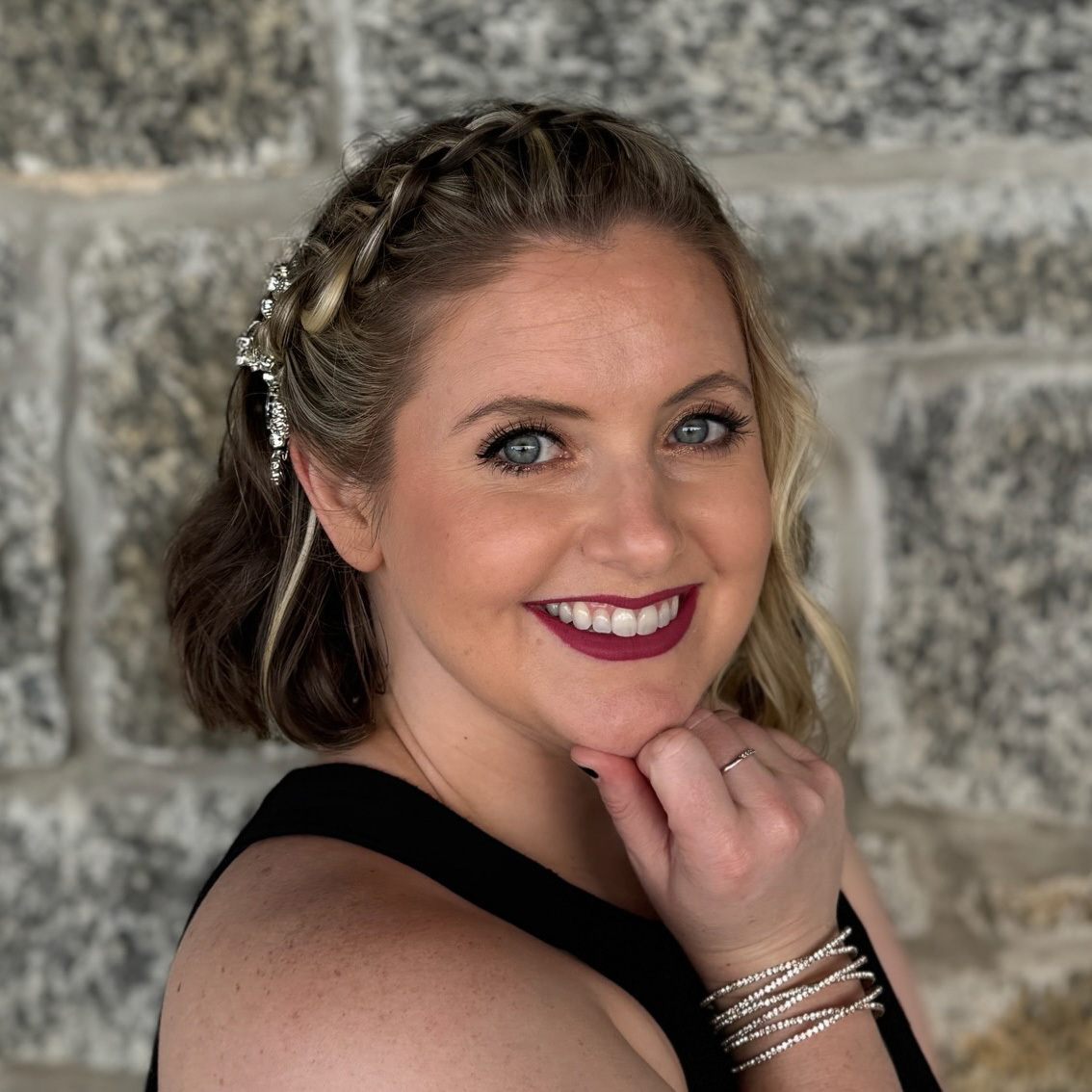
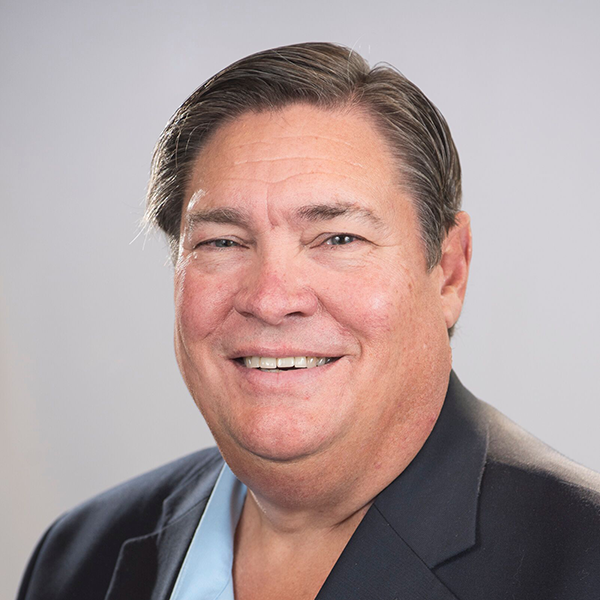
[Mary] Hi there, welcome to Safety Labs. When you're at a party and you ask someone what they're passionate about, you probably don't expect them to say OSHA regulations. But if you were to talk to our guest, that's exactly what you might hear. Today we'll learn why.
Brandy Zadoorian is a certified safety professional who helps companies improve OSHA compliance, reduce risk, and decrease injuries and illnesses by conducting effective safety training and performing detailed audits, inspections, and assessments. Brandy has over eleven years of safety experience in manufacturing facilities. She started her career as an industrial hygienist, then transitioned to an environmental health and safety specialist for a large manufacturing facility. She was then promoted to corporate environmental health and safety manager for a corporation of 15,000 employees. Brandy is now the CEO and principal consultant of Triangle Safety Consulting. She joins us from Greenville, South Carolina. Welcome.
[Brandy] Thank you so much, Mary, I'm happy to be here.
[Mary] All right, let's get started with a little background about you — what's the story of how you ended up in safety?
[Brandy] Great question. I actually started off in a chemistry lab, running samples for the manufacturing sector. We were making about fourteen dollars an hour, which was pretty good at the time, but one of my friends said, "hey, I'm leaving this job, I'm going to become an industrial hygienist." I asked what that even was, and she explained she'd be doing chemical monitoring, dust monitoring, things like that. I thought that sounded pretty cool, and she said, "yeah, and I'm going to be making thirty dollars an hour." I said, well, I want to make thirty dollars an hour too. She left, and about a year later, I just decided to look for an industrial hygienist job myself, and got one. So I started in industrial hygiene, working for a consulting firm, with asbestos, doing the dust and chemical monitoring I mentioned. That's how I got started.
[Mary] It's interesting — it's something people don't talk about much. It's probably more common, and also more noble-sounding, to say you want to help people, and I'm sure that's true too — but at the same time, we all have to pay bills, and salary is something that doesn't come up very often.
[Brandy] Yeah, I think that's fair — it's a decently paid job, generally speaking. Honestly, I love this — when I was an EHS specialist at Kyocera AVX, there was a young woman on the floor, in the warehouse, probably one of the lowest-paid people at the facility. I just told her how great a job safety was. She became the facility manager's administrative assistant, and then actually moved into our area as a safety professional. I was so happy, because I knew it would totally change her life — she was a single mom, just working in that warehouse, and now she's an EHS specialist at Kyocera AVX. Being in safety, the salary is great — obviously it's stressful, but it is a good wage, I'll say that.
[Mary] Definitely an interesting industry. Now, I want to make sure I was fair to you in that introduction — a lot of people might say regulations are annoying, bureaucratic, maybe out of touch. What makes you passionate about OSHA regulations, and is that characterization fair?
[Brandy] I tell people what I do all day, every day, is learn and understand OSHA regulations and how to apply them practically. I am passionate about them, because these aren't just regulations to make your life harder, to make you wear gloves for no reason — they're there for a reason. What's interesting about OSHA regulations is, you know, they say they're "written in blood" — they're written for a reason, to save lives and prevent injuries and illnesses. A lot of people don't realize that, they just think of it as an annoyance, like you said — but someone's life, or their amputation, or their severe injury, is the reason these regulations exist. So you're exactly right, I love OSHA regulations, and I just wish we had more coverage for different topics, and that they were updated more regularly, since they came out in the seventies, so it's been about fifty years now. That would be my only gripe — otherwise, the OSHA regulations truly do save lives, and help people go home with the quality of life they should have.
[Mary] Whenever anyone sets policy or regulations, you alluded to this, there's always a balancing act between expecting perfect compliance and understanding human nature — that we're fallible, we make mistakes, and circumstances change, the same rule might apply differently in different situations. How do you think regulatory bodies address that tension?
[Brandy] Great question. I think OSHA comes in with their enforcement hat on, trying to make the workplace as safe as possible, trying to get employers to follow the rules. From the employer side, they should try their best — without the people, you're not going to have any money coming in. So employers have a responsibility to follow these regulations and do their best — yes, they're hard to read, but maybe that's why you hire a safety consulting firm to come in. It's definitely a balancing act from both sides — the employer doing what they need to, and OSHA acting as the check, "hey, are you actually doing this?" Depending on the regulator, you might get someone who's a real stickler, or someone more lenient, trying to help you. But people should remember OSHA has an enforceable side and also a consultation side — a lot of people don't realize that. Small and medium businesses can call them and ask for help before they ever come in on the enforcement side. If you don't know about that, I highly recommend it — if you need help and you're a small or medium-sized business, OSHA is willing to come in and help before it ever becomes an enforcement visit.
[Mary] I'll ask more about that later. How are changes in regulations often received by organizations or workers — what's your sense of how they perceive regulatory change over time?
[Brandy] With OSHA specifically, not a lot of new regulation comes out. They do have changes occasionally — the last really major standard was Walking-Working Surfaces, I believe around 2017 or 2018. They updated HazCom a bit, I think in 2024. For the employer side, that's why it's so important to have a safety professional on staff, to stay aware of what's happening — not that it's happening often, but it does happen. Being plugged into a network where you talk to other safety professionals helps you stay aware.
For change in general — workers do not like change. When you work with a company that's been doing something a certain way for forty years and try to change that culture, it's very, very challenging, because change is hard. Even if it's not the right way of doing something, it's hard to change. But I think making safety personal — explaining, yes, this regulation is here to protect you, here's how it applies to your job, here's exactly how to follow it with what you're doing — helps. People are more receptive if you explain the why. And really, building rapport with operators before you even introduce a change matters — building trust before you tell them something new is coming.
[Mary] What do you think safety managers, or maybe organizations as a whole, tend to misunderstand about regulations or regulatory bodies — are there common misconceptions about OSHA?
[Brandy] I think a common misunderstanding, especially without safety professionals on staff, is that OSHA represents a lot to comply with, when really it's just a baseline — the bare minimum you need to comply with, because you can do way more above and beyond. For example, you're supposed to train people on lockout/tagout, the control of hazardous energy, initially — but it's not actually required annually. Same with confined space, same with electrical safety. The regulations don't say you have to retrain annually, the baseline just says, train them — but we want to go above and beyond, and that's where standards like ANSI and NFPA come in, for best practices.
[Mary] I've taken first aid courses a couple of times in my life, but even six months after the course I'm a little rusty — though hopefully it'd come back to me. I understand what you mean about training once being fine on paper, but refreshing it being more effective in practice.
[Brandy] Absolutely. I think it's a best practice to keep safety on the brain with an annual refresher. It's challenging with a lot of employees on site, but hopefully it's an in-person training class, because those tend to be better — more engagement, less phone-checking — and having a workbook to take home helps too, because you can look back later and remember what you learned. Compare that to a class where you walk away with nothing, and you only remember maybe two things.
[Mary] These days, what citations or violations do you think are quite common, or quite rare — what do you see?
[Brandy] Every year OSHA puts out a top-ten citations list, and number one is pretty much always fall protection — either lack of training, or an inspector arrives and someone isn't wearing the right equipment, or sadly, a severe injury or death occurs and they find out fall protection rules weren't followed. Fall protection is very common, and for good reason, sadly — it's a life-or-death topic. Employers really should take it seriously, with training, making sure people know how to wear and inspect their harnesses, what to tie off to, all of that.
Another one that kind of baffles me is hazard communication — that's about chemicals, training, having safety data sheets available, labels on chemicals. It seems like it should be easier to manage, but I guess it's challenging with a lot of people on site to train, and keeping chemical bottles labeled — if you're using a solvent, the label can get worn off pretty quickly and become illegible. Keeping up with safety data sheets too. So there are actually a lot of components to a hazard communication program once you think about it.
Those are kind of the top two. I think companies should obviously focus more on fall protection, since it's life or death, and HazCom, since people need to know what chemicals they're working with. Another is the control of hazardous energy, lockout/tagout — that's a huge citation, people not locking out equipment. I was literally on a site, writing lockout/tagout procedures for a company, and while I was there, a maintenance person had what was essentially a fingertip amputation because of some gears that weren't locked out. Lockout/tagout is a very misunderstood regulation, and I think companies and safety professionals really need to dig into that standard and truly understand how to keep people safe, and hold employees accountable — because while it might not always be life or death, depending on the equipment, people can lose limbs very quickly if they don't follow it.
[Mary] It's kind of a funny question to ask you to think of something you don't have to think about very often, but I'm curious — over the years, have citation trends shifted, with some becoming more or less common, or has it held pretty steady?
[Brandy] The top ten pretty much always stays the same — fall protection, hazard communication, lockout/tagout, even ladder safety. It's been pretty steady. Looking at the last ten years, fall protection's been number one for, I think, the fifteenth year in a row. Some of it is low-hanging fruit for an OSHA inspector — easy to spot if someone's not wearing fall protection, easy to see if chemicals aren't labeled. Yes, some of these are life and death, but some are also just visible and easy to catch — a new OSHA regulator doesn't have to dig deep into the regulations to find those.
[Mary] You touched on this a bit with hazard communication, but do you have a sense of why some regulations are harder for companies to follow than others? I'm assuming there's a range.
[Brandy] There is. For example, I think the hardest one to follow is the control of hazardous energy. They have an annual requirement called a periodic inspection — you have to look at every single lockout/tagout procedure, review it for deficiencies, and also go through it with the authorized people on site, making sure they understand their responsibilities for each procedure. If you're a large site, that's extremely overwhelming. That's actually one of the main tasks we get called in for — lockout/tagout procedure development, as well as those periodic inspections.
Another hard one is confined space, again because of the initial assessment required. A lot of companies don't know about it, or safety managers and specialists just don't have time, because they're dealing with incidents or something else. For confined space, you need to identify whether spaces are permit-required or non-permit-required, or whether potential spaces even qualify as confined spaces at all. PPE hazard assessments are another one companies frequently miss — it's something extra you have to do above and beyond the regulation, getting out in the field and confirming everyone's wearing the right PPE for their tasks. With these assessment-heavy regulations — lockout/tagout, confined space, PPE hazard assessments — that's really what people call us in for, because it's so time-consuming and effort-intensive.
[Mary] It sounds like there isn't necessarily a one-to-one relationship between what's easy to follow and what gets cited most often. Fall protection, for example, is relatively easy to follow compared to lockout/tagout with its annual assessment — and yet, even though it's easier, that doesn't mean it's followed more.
[Brandy] Right. Fall protection doesn't have that kind of assessment requirement, but it can still be hard to follow because of the calculations involved — are people wearing harnesses, are they tied off, where's the anchor point, if I fall, will I hit the ground, did I calculate this right? But no, that's actually a great observation, I like that.
[Mary] I was wondering if there was a relationship between "easier to follow" and "followed more often," but of course humans are more complicated than that.
[Brandy] Yeah — it seems like the more there is to a regulation, the harder it is to follow, so longer, more involved regulations are harder to comply with, because there's more to do, maybe more updates, more training needed. I like that point.
[Mary] I wonder too if there's a psychological component, especially with fall protection, and even confined spaces — so many people fall from ladders in everyday life, and there's always this "of course I can handle this, no big deal" mentality, a sense that "this is easy, I can climb on my roof." And yet I know quite a few people who've been injured that way.
[Brandy] Fall protection, and lockout/tagout too — "nothing's going to happen to me," "I'm going to climb this ladder, I'll be fine." Especially at home — at work, you might be more careful following the rules, because there might be a camera on you — but at home, think of all the ways we use ladders, clearing leaves out of gutters, clearing snow off roofs, putting up Christmas lights, the list goes on. Ladders are very dangerous, and people don't realize the risk even just one foot off the ground. I know people who've been severely injured falling off ladders just a foot or two up.
[Mary] We're going to take a quick break to hear from the company behind the Safety Labs podcast, and then we'll be back for more discussion with Brandy.
In construction and industrial manufacturing, traditional utility knives can be uncomfortable, unsafe, and wear out quickly, leaving workers at risk. The Slice Folding Utility Knife delivers power, control, and safety, shift after shift. Its ergonomically designed finger loop provides a secure grip for cutting multiple materials safely. The durable metal handle is built to withstand industrial use, and with two different locked positions, you're also ready for cuts at awkward angles. The quick-release lock is secure and convenient, and the handle design works for both right- and left-handed users — keep it close by with its integrated belt clip. Slice's finger-friendly blades last eleven times longer than traditional steel blades. Compact and easy to store, the Folding Utility Knife is perfect for everyday carry on the production floor, in the warehouse, or even for home DIY projects. From daily industrial use to household tasks, the Slice Folding Utility Knife keeps people and places safer, one cut at a time. Want to give it a try? Go to safetylabspodcast.com/samples.
And now, back to our chat. I've been curious about this for a long time — are fines an effective tool for compliance?
[Brandy] Great question. I personally don't think OSHA charges enough in fines. People are way more scared of the EPA, because they'll come in with millions and millions of dollars in fines for companies polluting the environment, and rightfully so — but we're talking about people here. One of the highest citations in 2025 was barely over a million dollars — for a big company, that's nothing, doesn't make a dent. For small companies, absolutely, it matters — I have my own business, if I were hit with an OSHA fine, it would be the end of me. But for larger companies, I think fines should scale with how much money they actually bring in, their revenue. I will say, in construction, for the small companies on roofs not providing fall protection or training, fines probably do make them think, "okay, maybe OSHA will come" — though there's also that thought of, "OSHA's not going to come to our site, it's a huge state, what are the odds." So to an extent, fines work — but I'd love to see higher fines for bigger companies, because some very large companies, you'd be surprised, aren't following the rules, don't have the proper number of safety professionals on staff relative to the size of the facility or the risks involved. I'd love to see bigger fines there, because sometimes they just don't take it seriously.
[Mary] Last time we spoke, you compared OSHA to the EPA — is that mainly a comparison of fine size, or is there a difference in things like inspectors per capita or per company too?
[Brandy] Great question, I'd need to look that up. As far as the comparison, people do tend to compare them — OSHA, EPA, "Environmental Protection Agency, Environment" — and I just see way larger fines from the EPA side.
[Mary] Who, and your answer can be a demographic of people or a type of organization, do you think could benefit most from more safety training?
[Brandy] I like this question. Most of my work comes from larger companies, because they have more money in their budget. But I struggle to get smaller businesses to want to put any money into their safety program — it's almost like they're waiting for some tragedy to occur before they put anything in place. I'd love for smaller businesses — yes, they're technically required to do training, but they need more of it, and it's very challenging. One of the reasons I started my business was wanting to help companies without a safety professional, the mom-and-pop shops that don't know anything about OSHA — I want to come in and help them. But it's very hard to get those businesses to want to invest in it. That's sad, because those workers deserve to know what they're working with, deserve a safe workplace too, not just the larger companies that happen to have more money. Some of these smaller companies actually have a decent amount of money, they just choose not to spend it on safety. Unfortunately, those are the companies that, if they do call me, aren't proactive — they're reactive. They wait until an unfortunate injury occurs, then call me, and we react and try to make changes after the fact. That's not fair to the workers — if you own a small business with employees, you need to put time and effort into creating a safety program, even hiring a part-time safety person to help build one, and get workers thinking about safety, not just production, which is often what you see at these smaller companies.
[Mary] I wonder too, there are all kinds of resources for starting a business, even in business degree programs — I don't have a business degree myself, so I'm not sure if this is covered — but it seems like the cost of safety isn't something people talk about. They talk about the cost of materials, overhead, maybe some mentally fold safety into that, but I get the impression most people just forget about it.
[Brandy] That's actually a really great point. It would be great for me to go into a business class — I'm pretty close to Clemson University — and say, "you're required by OSHA to do these things if applicable to you," talk about what kind of budgets companies should be planning for, and the types of people they should be hiring to help. I love that point.
[Mary] And maybe they also just don't know what the cost would be. I'm certainly not a safety professional, and if someone asked me how much to budget for a safety program, I'd have no idea.
[Brandy] It is a harder topic to nail down, but you kind of have to look at the previous year — though the first year, you don't have that to reference. You look at what you need: maybe an outside party to come in and do training because nobody's qualified on staff, PPE costs, whatever else comes up. Budgeting can be challenging — there are resources out there about how to build a safety budget, but a lot of it comes down to understanding what you need, especially in that first year without a baseline, and building from there.
[Mary] Speaking of resources, you mentioned this earlier — OSHA is a regulatory body, but it also provides resources to improve safety. Do safety managers or organizations tend to see OSHA mainly as the "big bad wolf," the enforcer? Or is it commonly understood that these resources exist, and that people use them — and if not, why not?
[Brandy] I do think companies tend to see OSHA as an enforcer, because that's all they hear about — "OSHA showed up today," people complaining. But as a safety professional, we have OSHA come speak at conferences regularly, and they're always telling us how they can help. I'm part of the American Society of Safety Professionals, the Piedmont chapter in South Carolina, and we have OSHA come in pretty much every year, either to do training — they did one on welding, brazing, and grinding — or to give us background on what's changing federally, new regulations, that kind of thing. They're actually a great resource if you're not on the enforcement side of things. They see something bad happening and want you to fix it, sure, but they also do training, and online they have tons of fact sheets I use often — if I need to refresh on something, I'll pull up a fact sheet. They have white papers on all kinds of topics too. They actually do a lot that people don't realize — training, compliance assistance.
[Mary] I wonder too, if you're a safety manager reaching out as an employee of a specific company, there might be a perceived risk of "telling on" your own company in a particular area. But you mentioned ASSP, and every country has safety associations like that — maybe that's a safer route, going through a professional society where it doesn't matter who you work for.
[Brandy] Yes, and also, if you have a consultant like us, we can call and get the answer for you — "I'm working for a company, they wanted me to ask you this question." That's actually a resource people don't know about — you can call OSHA anonymously and ask, "I have a question about Walking-Working Surfaces regulations, this ladder situation," whatever it is, and they'll give you their thoughts. I've actually met OSHA staff who do this, and they love it — they love when people call, even anonymously, because they do want to make sure people are doing the right thing, in the end. If you need to call anonymously, do it, or get a consultant to call on your behalf if you're not comfortable. They're not asking for your name, address, and employer right away — you can just call and ask your question, and they'll share their thoughts.
[Mary] Good to know. Speaking of safety training, you told me last time we spoke that you think it should start earlier than it does — in fact, you said it should start in high school. Can you talk about why you feel that way, and what kind of training you'd suggest at that level?
[Brandy] The reason I say that is we see young men and women coming into manufacturing facilities who haven't been around machines or tasks that could literally kill them, amputate a limb, cost them an eye, whatever the risk may be. They might have worked at McDonald's, Burger King, or — my first job was being a janitor, I cleaned firehouses.
[Mary] Me too, actually!
[Brandy] Really? That's fun. But that's low risk — maybe some chemical exposure, but nothing like working with methylene chloride in a tub, which can literally kill you because you can't breathe. I think it would be great if there were a safety class, especially for those going into a welding program or similar — not colleges necessarily, vocational schools, trade schools, where you know someone's going to be welding — let's get those people safety training, tell them about fumes from welding, hexavalent chromium from stainless steel, things like that.
As for the type of training I'd want to see — definitely chemicals, what the pictograms mean, since those are universal, the same no matter where you are in the world, as long as a chemical is labeled properly. I'd like to see machine guarding too — even somewhere like Crumbl Cookie, just a cookie shop, they've got huge mixers behind the counter, and it's kids working there, eighteen-year-olds, maybe younger. There actually are regulations preventing minors from working with certain dangerous equipment — if you work at Jersey Mike's or Subway, for example, you're not allowed to use certain meat-cutting equipment. But yes, I'd love to see hazard communication, chemicals, machine guarding, and fall protection covered too — some kids just go work for their dad's roofing company. Those are some of the basics I think would be really important — just understanding what hazards you might encounter when you start working.
[Mary] As you were talking, I was thinking about how, when you start working, and I think this is common, you want to please people, do a good job. I don't have a personal example, but I'd guess you might be willing to take risks partly because you don't fully understand how serious the risk is, but also because you don't want to be the person who says no — you want to be the one who says yes, shows their value, keeps the job.
[Brandy] Definitely a challenge in the workplace, for sure — especially in maintenance, they do a bit of everything, moving equipment, fixing equipment, maybe equipment that's brand new and they don't know much about, but "the boss says we've got to do this, so let's figure it out." No standard operating procedure, just kind of winging it to get the job done. There is a lot of that, and it's not good. What I try to tell people, especially in manufacturing, is, look, you're an hourly employee, we're paying you by the hour — you don't get paid to work fast, fast, fast. I want you to walk over there, get your lock, get it tagged, even if it's across the building. If the taller ladder you actually need is across the building, instead of grabbing the four-foot one nearby and standing on the top cap or some unsafe spot, take the extra five or ten minutes to get the eight-foot ladder, the equipment you actually need to do the job right. It really is a challenge, and it happens a lot.
[Mary] You've been doing safety auditing for several years now — when you audit, do you still get surprised by anything, or do most audits fit patterns you've seen before?
[Brandy] There are patterns — a lot of the time I see fall protection issues, which is funny since we just talked about that. I see cranes and hoists not getting their required annual or monthly inspections. A lot of issues around safety culture, how to get people to do what we need them to do. I'm not really surprised by much anymore, because it goes back to what we just discussed — a lot of people are just trying to get the work done, and it might not be the right way, but sometimes they were never taught the safe way, or they're not following the SOP because they don't have the right tools, or maybe they didn't even know the SOP existed, never went over it, just trying to get the job done. So I do see the same types of findings repeatedly. Occasionally I'll see something where I think, okay, we need to stop right now, this needs to be escalated, it's a life-and-death situation — and that does happen, unfortunately. But I'm glad when it does happen on my watch, because I caught it, not OSHA, and nothing terrible happened before it was caught and fixed.
[Mary] Better that you figure it out than someone figures it out the hard way.
[Brandy] Exactly.
[Mary] Do you have any stories that stick out as a moment when you learned something about safety, or that changed your perspective because of a particular experience?
[Brandy] I'll tell a story. I was an EHS specialist, and we had a piece of equipment with a cover — picture a cover that opens and closes, like a lid on a pot. Inside was essentially an elevator that picked up product and moved it up and down, but you could just open the cover and it would keep running. We had a significant near miss where a maintenance guy reached in to look at it, and his thumb got caught in the elevator mechanism — luckily, nothing happened, just a near miss, but I thought, this could have been significant. I talked to the maintenance team and said, I want interlocked doors, so if this opens, the elevator stops functioning.
Around that time, I got promoted to corporate environmental and safety manager, same company, same building, but on a corporate role now. A few months later, someone actually got their finger caught in there, because the corrective action hadn't gone through — they got a pretty severe laceration. As the corporate person now reviewing these incidents, I was embarrassed, because I should have followed up to make sure the interlock actually got installed. It's sad, because how many times does a safety professional have to wait for a corrective action to actually get completed? That really hit me hard, because a lot of the time, as safety professionals, we're just, "hey maintenance, here's a corrective action, fix this, thanks, bye" — no follow-up, hoping it happens, moving on to the next fire. I think we really need to make sure, especially with near misses where something severe could happen, that corrective actions aren't just implemented on paper, but that they actually work. That's something we don't do enough of, because we don't have time. So that's something I want to tell safety professionals — just because you wrote it down on your corrective action log doesn't mean it actually got done. Keep following up, do your best to get the funding or resources you need to fix that issue, so it doesn't happen again.
[Mary] I think you've just answered my next question, which was, if you had to boil down all your experience, not the one specific story, into one actionable piece of advice for safety professionals listening, what would it be?
[Brandy] That's definitely one for sure — look at your corrective actions, make sure they're actually being implemented and that they work. Another would be, ask for help. I went four years as a safety professional with only a little help — I had an environmental person who helped a bit with safety, and the woman I mentioned earlier who was our coordinator, but we had over 500 employees, and a lot to cover — radiation, lasers, confined spaces, machinery, everything. There was just a lot to know. I'd recommend asking for help — I never asked for a consultant, and looking back, I would have said, hey, I need you to come help me write these lockout/tagout procedures, because you genuinely burn out from all the work. Maintaining your program is one thing, but trying to enhance it on top of that is nearly impossible without burning yourself out. So get a consultant in for a few days a month to help knock out that program that's been on your to-do list for six months. I had a workplace violence program sitting on my to-do list for months and months, and even after I moved to corporate, it still wasn't done. So I recommend asking for help — don't be, and I was guilty of this, such a go-getter that you don't want to ask, because you want to seem like you can handle it. In the safety profession, there's genuinely so much to handle, especially with a lot of employees or high-risk operations. Ask for help, and don't be afraid to bring someone on site to support you.
[Mary] Are there resources, like books or websites, our listeners can use to learn more about some of the topics in our discussion today?
[Brandy] Yes — last year, in 2025, I created an OSHA 10 workbook and an OSHA 30 workbook, made for OSHA-authorized outreach instructors teaching OSHA 10 and 30 general industry courses. They're available on my website, which I'll share — the OSHA 10 book and the OSHA 30 book have a ton of topics and knowledge checks at the end. I've been using them in my own OSHA 10 and 30 classes, and people love them — like I mentioned, you can take them home and reference them later. The other book I'd recommend is "The Basics of Occupational Safety," I believe by David Goetsch — I used that to help study for my Certified Safety Professional exam. If you're studying for your CSP, or your ASP, Associate Safety Professional, exam, I also created a workbook to help with that.
[Mary] Where can our listeners find you on the web?
[Brandy] I post a lot on LinkedIn, try to be very educational there — I'll post a picture and explain what I'm seeing, why it's good or bad, or how it doesn't meet a particular regulation. I'm also on Instagram, at Safety Brandy, and you can find my website, trianglesafetyllc.com — I've got resources, books, and classes there too.
[Mary] We'll be sure to link those in the show notes.
[Brandy] Perfect, thank you.
[Mary] Well, folks, the rules say that time is up, so the chat is over. I hope you enjoyed it as much as I did. Feel free to continue interacting on LinkedIn — search for the Safety Labs podcast, and you'll find our page with clips from our interviews and discussions with other safety professionals. Thank you, Brandy, for your time and your perspective today.
[Brandy] Yes, thank you, Mary, I really appreciate it, and hope to see you on LinkedIn.
[Mary] And my thanks, as always, to the Safety Labs team. Bye for now. This podcast is created by Safety Products Global, the world's leading manufacturer of safety knives. Through our trusted brands, Klever, Slice, and PHC, we empower companies to prevent injuries by providing safer cutting tools for every material and application. Until next time, stay safe.